Wool is a natural fiber used in bedding because its spring-like structure offers cushioning while allowing air to circulate. In pillows and comforters, wool can help manage warmth and moisture near the body. Its natural properties make it relevant to people comparing fiber types for a comfortable sleep environment.
Wool fibers can absorb and release moisture vapor, which may help bedding feel less clammy as conditions change. Their resilience also supports loft and cushioning, although the feel and warmth of a wool-filled item depend on its construction, fill quantity, and the sleeper’s preferences.
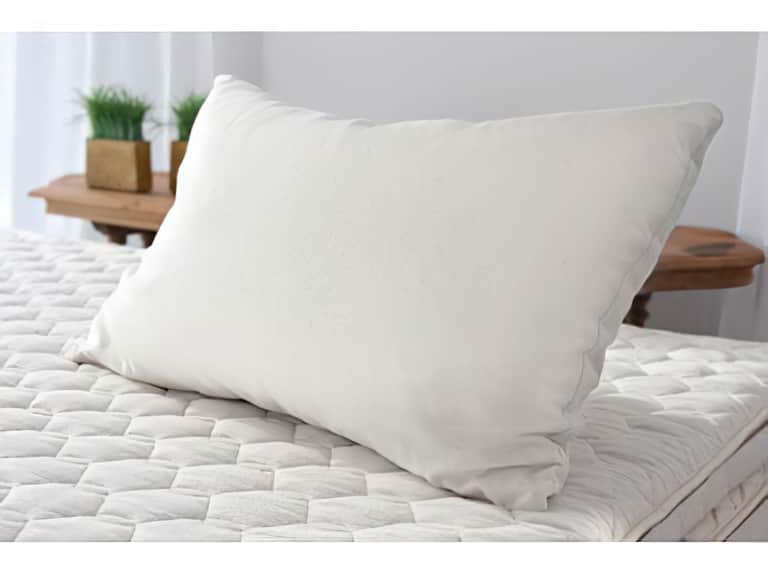
The Savvy Rest Wool Pillow is a wool-filled pillow designed to provide cushioned head and neck support. Wool’s resilient fill can create a springy feel, while its breathable structure supports air movement. These characteristics distinguish wool pillows from options filled with synthetic fibers or dense foam.
When considering a wool pillow, compare its firmness, loft, and sleeping position suitability. Side sleepers often prefer more height, while back and stomach sleepers may need a different level of support. Follow the product’s care instructions, since wool filling may require specific cleaning methods to maintain its shape and performance.
Wool bedding can be considered alongside other natural materials, including organic mattresses and natural latex organic mattresses. Comparing fiber content, construction, and care requirements helps clarify how pillows and comforters may complement a sleep setup. Material preferences vary, so comfort, temperature, and support needs are useful factors to evaluate.
 Bedding