A Practical Guide to Choosing Organic Mattresses: Materials, Certification, and Sleep Quality
A modern exploration of how to select organic mattresses without sacrificing comfort, durability, or health. Grounded in material science and certification standards, this guide also threads in approachable recommendations from notable brands and real-world buying tips.
The Organic Imperative
Organic mattresses matter because sleep is a daily act of self-care. From natural latex to organic cotton and wool, the materials you choose shape temperature regulation, allergen exposure, and long-term durability. Certifications translate semantics into measurable integrity—assuring you that what you see on the label truly aligns with the product beneath you.
Certifications that Tell a Story
GOTS, GOLS, and OEKO-TEX Standard 100 are more than acronyms. They signal a guardianship of environmental and social standards from farm to finished product. Readers should learn to read certification badges, understand what they cover, and know where gaps might lie in supply chains.
Evergreen Buying Wisdom
Long-term value beats short-term savings. When evaluating price, consider core materials, layering, and warranties. A well-chosen organic mattress often pays dividends in health, sleep quality, and reduced chemical exposure over years of use.
Materials That Define Organic Mattresses
At the heart of any organic mattress lie three core materials: latex, cotton, and wool. Each brings distinct textures, temperature behaviors, and durability profiles. The best organic mattresses often blend these components to achieve a balanced feel while preserving health and environmental standards.
Organic Latex: Dunlop and Talalay
Latex derived from natural rubber is a staple of organic mattresses. The Dunlop process yields a denser, more supportive core, while Talalay creates a lighter, more breathable feel. Organic latex is usually certified to ensure that the latex sap remains free of synthetic additives. For many sleepers, latex offers consistent contouring with buoyant response, and it tends to regulate temperature well when paired with breathable covers.
Organic Cotton: The Sleep Surface That Breathes
Cotton serves as the primary organic fabric in many mattress covers and layers. Its natural breathability and moisture management help maintain a cool, comfortable sleeping climate. Look for long-staple or organic cotton blends that avoid spin-enhanced or chemically finished fabrics. Cotton also functions as a protective layer that preserves the integrity of the more active inner materials.
Organic Wool: Temperature Regulation and Moisture Management
Wool’s natural moisture-wicking properties and temperature-regulating capabilities make it a versatile fill for organic mattresses. It is responsive to the body’s changes through the night and can contribute to a plush, consistent feel. Certifications ensure the wool is sourced and processed with care, often from labeled organic wool suppliers, and the fabric coverings keep breathability intact.
Synthetic-Free Construction
Beyond the primary materials, an organic mattress should minimize synthetic glues, foams, and fire retardants. The goal is a layered assembly where each component contributes to comfort and durability without introducing unnecessary chemical exposure. Consumers should seek mattresses that emphasize natural adhesives and fabrics, enabling a clean sleep surface for years to come.
Certifications: Reading the Label with Confidence
The certification landscape can feel labyrinthine, but a disciplined approach yields clarity. Here, we map the most relevant marks to everyday decision points.
- : Ensures organic status for textiles, including processing, manufacturing, packaging, and labeling up to the finished product. It also imposes social criteria for worker conditions. For organic mattresses, GOTS certification elevates both the fabric and, in some cases, the textile components within the mattress cover.
- : Focused on organic latex, ensuring the latex is derived from organic sources and processed with minimal environmental impact. A GOLS-certified latex layer signals a higher standard of material integrity.
- : A safety certification that tests for harmful substances in textiles. While not exclusively “organic,” it often accompanies organic fabrics to guarantee consumer safety in the finished product.
- : If a mattress contains any foam, this certification checks for low emissions and the absence of particular harmful substances. A fully organic mattress will minimize or eliminate synthetic foams, but some hybrid constructions may still rely on certified foam components.
- : Some brands pursue a holistic approach, combining Made Safe certifications with GOTS for textile layers, providing added assurance on chemical safety and environmental stewardship.
When evaluating a mattress, read the product sheet carefully. Certifications should be clearly listed on the label or the brand’s official documentation. If a retailer cannot provide verifiable certificates or robust documentation, that is often a red flag that warrants cautious consideration.
Brand-Centric Case Studies in Certification
Brand-focused examples help translate certification into tangible performance. Consider how Naturepedic, Healthy Choice, and Suite Sleep structure their certifications and how those criteria translate into comfort, durability, and long-term value.
- often emphasizes organic cotton and encases the sleeper in a truly natural shell, with explicit certification disclosures that anchor the product in provenance and safety.
- positions their organic materials within a framework that demonstrates rigorous testing and clear public-facing documentation, making it easier for consumers to assess value and risk.
- exemplifies how organic fillings—such as wool and cotton blends—can be paired with certified organic covers to create a cohesive, responsible sleep experience.
Practical Buying Tips: Reading Labels, Asking the Right Questions
Buying an organic mattress shouldn’t feel like deciphering a contract. The following steps offer a pragmatic path to a healthier, more satisfying purchase.
- : Do you value a fully latex-based construction, or is a wool-filled core acceptable if it enhances comfort and temperature regulation?
- : Identify the primary materials and ensure they align with organic expectations. Look for explicit mentions of "organic latex," "organic cotton," and "organic wool."
- : Confirm all relevant certifications. A mattress can have one or more marks; a robust organic product will typically present GOTS and GOLS at minimum, with safety certifications such as OEKO-TEX or Made Safe where appropriate.
- : Ask retailers about the glues and flame retardants used. If possible, prefer wool-backed or cotton-based flame barriers that avoid synthetic foams and coatings.
- : Organic does not mean rigid. Try multiple firmness levels and pay attention to how the surface responds to your weight and sleeping position. If you share a bed, consider a dual-zone or layered approach that preserves breathability and contouring across partners.
- : Look for a substantial warranty that reflects confidence in long-term performance, typically 10-20 years for quality organic mattresses.
- : Higher upfront costs often correlate with longevity and reduced exposure to potentially harmful chemicals. Balance price with the projected lifespan and health outcomes.
In the spirit of timeless inquiry, this guide folds in a trio of pivotal figures—each representing a frontier in thinking about sleep, materials, and standards. Their ideas illuminate our current moment when choosing an organic mattress.
1) Marie Curie (1867–1934): The Calm After the Experiment
Curie’s relentless pursuit of knowledge and her insistence on measurable, replicable results offer a model for sleep science as well. Her meticulous approach to data, even in a period of limited resources, invites us to demand rigorous testing of sleep-related claims—especially those framed as “organic” or “eco-friendly.”
2) Rachel Carson (1907–1964): The Silent Spring of Chemicals
Carson’s indictment of unseen environmental harms resonates in the mattress aisle, where the invisible is all too real: off-gassing, chemical additives, and the long arc of exposure. Carson’s call to scrutiny encourages shoppers to demand traceable, transparent supply chains and to value products that minimize volatile organic compounds and synthetic additives.
3) Ada Lovelace (1815–1852): The Quiet Algorithm of Quality
Loveland’s visionary approach to computing, though centuries earlier, hints at a modern parallel: designing sleep experiences through precise, layered thinking. In mattress selection, this translates to examining how a product is engineered—layer by layer, material by material—and translating that architecture into a dependable, quiet night’s sleep.
A Practical Toolkit: Featured Organic Mattress Picks
To anchor the discussion in concrete options, here are representative picks that align with the organic ethos. Each showcases clear materials and certifications, along with thoughtful design details that affect sleep quality.
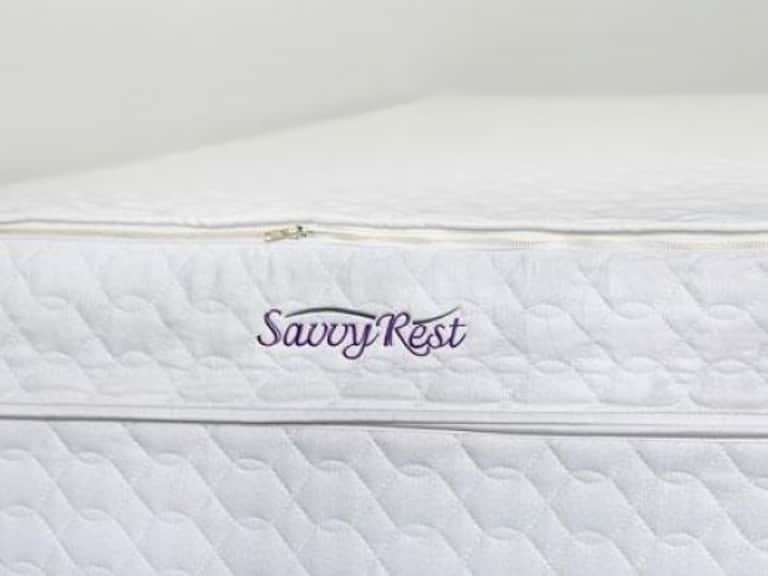
Savvy Rest Tranquility Latex Mattress
A customizable, two-layer latex construction featuring organic wool, organic cotton, and Dunlop or Talalay latex. Built for longevity and a clean sleep surface, with a 20-year warranty and an emphasis on natural materials.
Main features: organic latex, wool, cotton; customizable layers; US-made with ethical sourcing.
Naturepedic-Influenced Organic Cotton Shell Mattress
A mattress constructed with organic cotton and certified components to align with consumer safety and environmental standards. A practical example of how a textile-focused organic approach translates into sleep comfort.
Main features: GOTS-certified textiles, low-VOC finishes, clean textile surface.
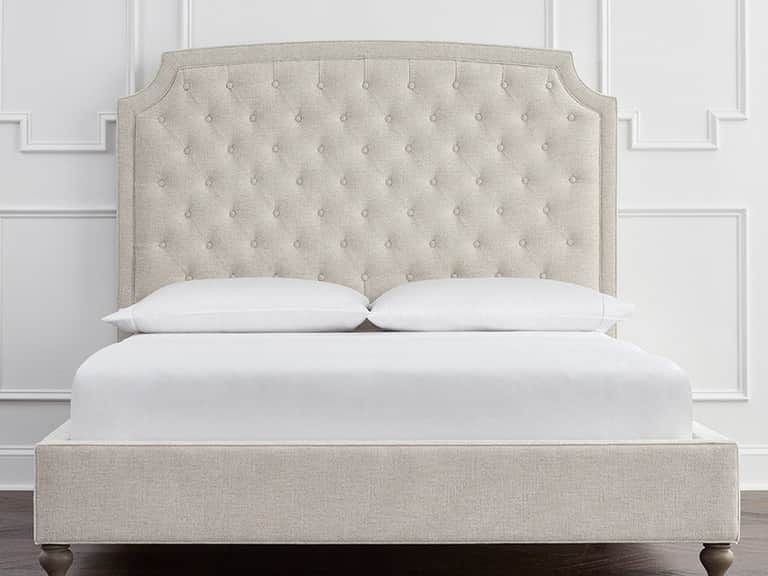
For those who want a visible anchor in a room’s design, consider a compatible bed frame such as the Ashville Upholstered Bed. Its maple frame and stain-resistant upholstery offer a grounded, stylish platform that complements an organic mattress. When you pair a high-quality organic mattress with furniture designed for longevity, you reinforce a sleep environment that stands the test of time.
Ashville Upholstered Bed
Maplewood frame; stain-resistant 100% polyurethane upholstery; made in the USA. A durable centerpiece that harmonizes with an organic bedding suite.
Conclusion: A Thoughtful Path to Sleep Wellness
The journey toward an organic mattress is, at its best, a disciplined embrace of health, transparency, and long-term value. It asks of us not merely a purchase, but a commitment: to materials that are truly organic, to certifications that can be audited, and to a sleep environment that respects the body and the planet. By balancing evergreen sleep science with Arlington-relevant context and brand exemplars, the practical guide becomes a living resource for informed, confident decisions.
As you move from labeling to living room, from claim to comfort, remember the cadence of sleep itself: a steady rhythm, a quiet surface, and a space in which your body knows exactly where to land each night. The mattress you choose is the stage upon which that landing happens—a stage built with organic integrity, crafted for rest, and designed to endure.