Sleep & Mattress Education
How to Choose a Latex Mattress Topper for the Feel You Want
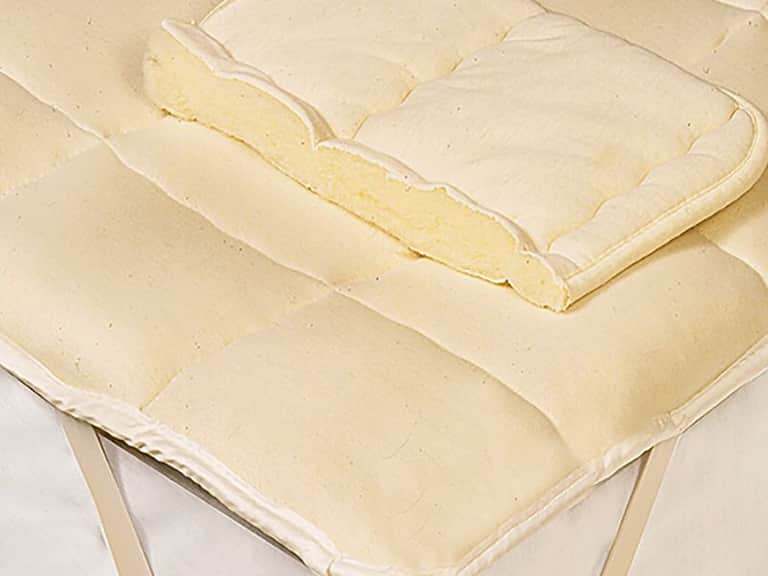
A latex mattress topper can soften a bed, add a little lift, and change the way a mattress responds when you move. The trick is to choose one for the bed you have—not for an abstract ideal of comfort. Thickness, firmness, construction, and your own sleeping habits all shape the result.
A practical guide to comparing latex toppers, understanding their limits, and finding a surface that feels right.
The small renovation of a bed
A mattress can become familiar in the way a room becomes familiar: one stops noticing its particularities until something changes. Perhaps the surface has begun to feel hard at the shoulder. Perhaps it is comfortable enough, but oddly sluggish when you turn. Or perhaps a new mattress, chosen with confidence and received with less, has proved a little too firm. A topper offers a comparatively modest intervention. It adds a layer above the mattress, changing the first impression of the bed without replacing the structure beneath it.
Latex is one of the materials people consider for that layer. Its characteristic feel is buoyant and responsive: it compresses under pressure, then pushes back rather than slowly enveloping the body. This distinction matters. A sleeper who likes to feel supported near the surface may prefer latex to a material that contours more deeply. Someone seeking a pronounced, sinking sensation may feel differently.
There is no single latex mattress topper that suits everyone, and the material itself is not a guarantee of comfort. The useful question is more specific: what feels wrong about your present bed, and what kind of change might improve it? A careful answer helps narrow the choices before the specifications begin to blur together.
Begin with the mattress underneath
A topper modifies the surface feel. It does not rebuild the mattress’s support system. That distinction is easy to overlook when a product description promises a softer, more comfortable night. If the mattress is simply too firm at the surface, a topper may add welcome cushioning. If the mattress sags, has a deep body impression, or no longer supports you evenly, a new layer cannot reliably correct the underlying problem.
Before shopping, consider the bed in daylight, when its faults are less easily mistaken for a bad night. Is it level? Does it dip in the middle? Are the foundation and bed frame stable? Is the discomfort concentrated at pressure points, or does the whole body seem to lack support? A surface adjustment is most promising when the mattress remains structurally sound and the issue is chiefly about feel.
It is also useful to notice whether the discomfort changes with position. A side sleeper may want more cushioning at the shoulder and hip. A back sleeper might prefer a surface that gives slightly without allowing the lower back to settle too far. A stomach sleeper often has reason to be cautious about adding substantial softness, since excessive sink can make a comfortable sleeping position harder to maintain. These are starting points, not rules: body shape, mattress construction, and personal preference all have a say.
For several nights, keep a simple note of what you notice when you wake: where you feel pressure, whether you feel unusually warm, whether turning is easy, and whether discomfort seems tied to the bed or to other circumstances. The aim is not to diagnose yourself from a notebook. It is to replace the vague verdict “this mattress is bad” with a more useful account of what you want to change.
Thickness: how much change do you want?
Thickness is one of the most visible specifications on a latex topper, and one of the easiest to misread. A thicker layer generally allows more material between the sleeper and the mattress, so it may create a more noticeable change in cushioning. But thickness does not determine the whole feel. Firmness, density, the mattress beneath it, and the sleeper’s weight and shape influence how far the layer compresses.
A thinner topper may suit someone who wants a subtle adjustment: a little more give, a more forgiving surface, or a slightly different contact feel without substantially altering the bed. A thicker version can make a more pronounced difference, especially when the mattress is firm but otherwise supportive. Yet more material is not automatically better. A substantial layer may soften the sensation so much that the original support feels distant, or make the bed seem higher and less stable at its edges.
Imagine the mattress and topper as a conversation. A thin layer speaks softly; a thicker one has more influence on the exchange. Neither is inherently preferable. If the mattress is only a little too firm, a modest change may be enough. If it is consistently firm across the surface and you want a distinct cushion, more thickness may be worth considering. Product labels and online descriptions cannot perfectly predict the result, so look for a clear trial policy and practical return terms when buying.
Think, too, about how the added height affects the rest of the bed. Deep-pocket sheets may be needed. The fitted sheet should still hold securely rather than pulling tight across the corners. If the mattress sits on a platform or in a frame, an added layer may change the proportions of the bed in a way that matters in daily use. Comfort is not separate from the ordinary mechanics of making the bed.
Firmness: what “soft” means in practice
Firmness descriptions are useful only up to a point. There is no universal scale applied identically by every manufacturer, and a label such as “medium” cannot account for the mattress beneath the topper or the body resting on it. The same topper may feel quite different on a firm, flat mattress than on a softer one that already compresses under the hips and shoulders.
For a softer surface, a softer latex formulation may offer more immediate cushioning. A firmer version may add some spring and pressure distribution while keeping the feel more level. But the distinction is not simply between comfort and discomfort. Some sleepers experience a firmer surface as reassuring and easy to move across; others experience it as pressure at the shoulder or hip. A softer one may feel pleasantly accommodating to one person and insufficiently steady to another.
It helps to describe the desired sensation rather than reaching first for a firmness adjective. Do you want the surface to give under the shoulder? Do you want to lie more on top of the bed? Do you want a little cushioning without losing a sense of lift? Such questions are more precise than “soft or firm,” and they give you a better way to assess a return period, if one is offered.
Sharing a bed complicates the picture. Partners may differ in weight, sleep position, and preferred firmness. A topper applies across the mattress, so it may improve the experience for one person and make it less suitable for the other. Before choosing a softer layer, discuss the specific change each person wants. Where needs diverge substantially, a single topper may be an imperfect compromise rather than a complete solution.
The lively feel of latex
Latex is often chosen for responsiveness. Press down on the surface and it tends to rebound promptly; shift your weight and the material responds without the slow, close-contouring sensation some sleepers associate with memory foam. That can make turning feel easier and preserve a sense of gentle buoyancy. For a person who dislikes feeling held in a depression, this quality may be a principal attraction.
That same springiness is not universally beloved. A sleeper seeking a deeply cradled, enveloping feel may find latex too buoyant. Some people are sensitive to even mild movement in a shared bed, so it is sensible to assess the entire mattress-and-topper combination rather than assuming a material name predicts motion isolation. The topper cannot be evaluated in a vacuum; the mattress below it remains part of the experience.
Latex toppers are available in different constructions and material formulations. Product descriptions may distinguish natural latex from synthetic or blended latex, and may describe how the material is made or perforated. Read these details rather than relying on a broad label. “Natural latex” is a material claim, not a complete account of the finished product: the cover, construction, certifications, and care requirements also matter. If a seller makes environmental or health claims, look for specific documentation and understand what it covers.
Ventilation can also influence comfort. Latex is commonly made with openings or other design features that allow air to move through the material, but a sleeper’s experience of temperature depends on more than the topper alone. Room temperature, bedding, pajamas, mattress materials, and individual preferences all contribute. A breathable construction may be worth considering if heat is a recurring concern, but no topper should be treated as a guaranteed remedy for night sweats or a medical condition.
Construction, cover, and material details
Specifications can look like technical scenery until something goes wrong. A topper that shifts, has a cover that cannot be cleaned, or does not fit the mattress can turn a promising purchase into a daily irritation. Look for dimensions that match the mattress and ask how the layer is held in place. Some toppers rely on their weight and the fitted sheet; others include corner straps or another fastening method. The right arrangement depends partly on how much you move during sleep and how snugly your sheets fit.
Check whether a cover is included, whether it is removable, and what the care instructions actually permit. “Easy care” can mean different things. A cover that can be removed and washed is not the same as a topper that can be put in a household washing machine. Latex products may have specific cleaning and drying requirements, so follow the manufacturer’s instructions rather than applying a general rule from another bedding item. A spill should be addressed promptly and gently, without soaking the material unless the care guidance explicitly allows it.
Material sensitivity deserves practical attention. People with a known latex allergy should consult a qualified clinician and seek product information before bringing latex into the bedroom. Do not assume that a claim about natural materials means a product is suitable for every person. If you are uncertain about a component or a label, ask the manufacturer for a clear explanation rather than relying on a vague marketing phrase.
Odor may be noticeable when a new bedding product is unpacked. Ask what the maker recommends for airing it out, and give the topper time in a well-ventilated space if the instructions advise it. If an odor persists or causes symptoms, stop using the product and contact the seller or a health professional as appropriate. Sensory details matter: the right materials on paper are not right for you if the experience is unpleasant.
A topper is not a mattress repair
The appeal of a topper is partly its economy: it may postpone the expense and trouble of replacing a mattress. That can be reasonable when the mattress is still supportive and the complaint is modest. But a topper can also disguise a larger problem for a while without solving it. If the bed has a pronounced hollow, uneven support, damaged edges, or persistent discomfort that continues despite changes to the sleep setup, replacing the mattress may be the more sensible path.
Do not expect a topper to correct every kind of pain. Sleep discomfort can have causes unrelated to the bed, and a different surface is not a substitute for medical advice. If pain is severe, persistent, worsening, or accompanied by other concerning symptoms, speak with a health professional. A sleep accessory can affect comfort; it cannot diagnose the source of a symptom.
There is a useful distinction between improving a healthy mattress and trying to rescue a failing one. In the first case, the topper is a deliberate comfort layer. In the second, it may add cost while leaving the fundamental support problem intact. Taking a few minutes to assess the mattress before shopping can spare you the familiar disappointment of buying a solution to the wrong problem.
How to compare options without getting lost in the labels
When comparing products, make a short list of the information that bears directly on your needs. Note the material formulation, thickness, firmness description, construction, cover details, size, care instructions, and warranty or return terms. If a product page provides little beyond adjectives, ask the seller for precise specifications. A confident phrase about “cloud-like comfort” cannot tell you how thick the topper is or whether the cover can be removed.
Give particular attention to the trial period and return conditions. A return policy may exclude used bedding, impose fees, or require specific packaging. The details matter because comfort is personal and the first impression can differ from the experience after several nights. Be clear about when the trial begins, what condition the product must be in, and who pays return shipping. A generous-sounding policy is useful only if its terms are workable.
Warranty language has a different purpose. It generally addresses certain defects or failures, not whether the topper’s feel suits you. Read the exclusions and maintenance conditions, and keep the purchase information. Warranty coverage should not be mistaken for a promise that the product will remain identical to its original feel or cure a particular discomfort.
Price is worth considering alongside construction and expected use, rather than on its own. A higher price does not establish that a topper is more comfortable or better suited to your body. Compare what is actually included and whether the seller explains the materials clearly. A well-chosen modest adjustment can be more valuable than an elaborate product that answers a question you never had.
A simple decision sequence
Start by naming the problem. If the mattress is sound but feels too firm, a topper may be worth exploring. If it sags or feels uneven, think about replacement rather than surface correction. Then decide how much change you want: a restrained softening or a more noticeable layer of cushioning. That answer helps orient you toward thickness, though firmness and construction still need consideration.
Next, describe your preferred sensation. If you want responsive support and easy movement, latex may be a promising material to test. If you prefer a slow, close contour, another material may suit you better. Consider your usual sleep position and the places where you feel pressure, but treat position as one piece of evidence, not a commandment.
Finally, verify the practical details: fit, cover, care, material disclosure, allergy considerations, and return terms. If possible, test the feel in person or choose a seller with a clearly explained trial. Make the bed with the sheets you actually use and judge the experience over several ordinary nights, not just a few minutes of pressing a hand into the surface.
- Choose a latex mattress topper for responsiveness if you like a buoyant surface that recovers quickly when you move.
- Consider thickness in relation to the change you want, while remembering that firmness and the mattress beneath it influence the result.
- Check the mattress first so you do not ask a topper to correct sagging or failing support.
- Read material and care information closely, especially if you have sensitivities or need a washable cover.
- Use a real trial period thoughtfully, paying attention to comfort, temperature, movement, and fit over time.
The bed you want is a particular one
Mattress shopping tends to turn a private sensation into a public vocabulary: plush, firm, supportive, cooling, responsive. These words are convenient, but they are only approximations. The right latex mattress topper is not the one with the most persuasive description. It is the one that makes a sound mattress feel more like the bed you want to sleep in.
That may mean choosing a modest thickness rather than the most dramatic one, or deciding that the springy character of latex is exactly what your current surface lacks. It may also mean discovering that the mattress itself has reached the end of its useful life. Either conclusion is useful. The aim is not to purchase an extra layer at any cost, but to understand what comfort means in your room, on your bed, and in the particular body that will spend the night there.
Approach the decision with curiosity rather than urgency. Notice the mattress beneath you, identify the change you hope to make, and treat specifications as clues rather than guarantees. In a world of grand promises about sleep, the most reliable guide is often a modest one: a clear account of what feels wrong, and an equally clear idea of what better might feel like.